
Nobody got an alert.
Three incidents this month where the protection was in place, working exactly as designed, and still produced nothing. None of them required a clever exploit.
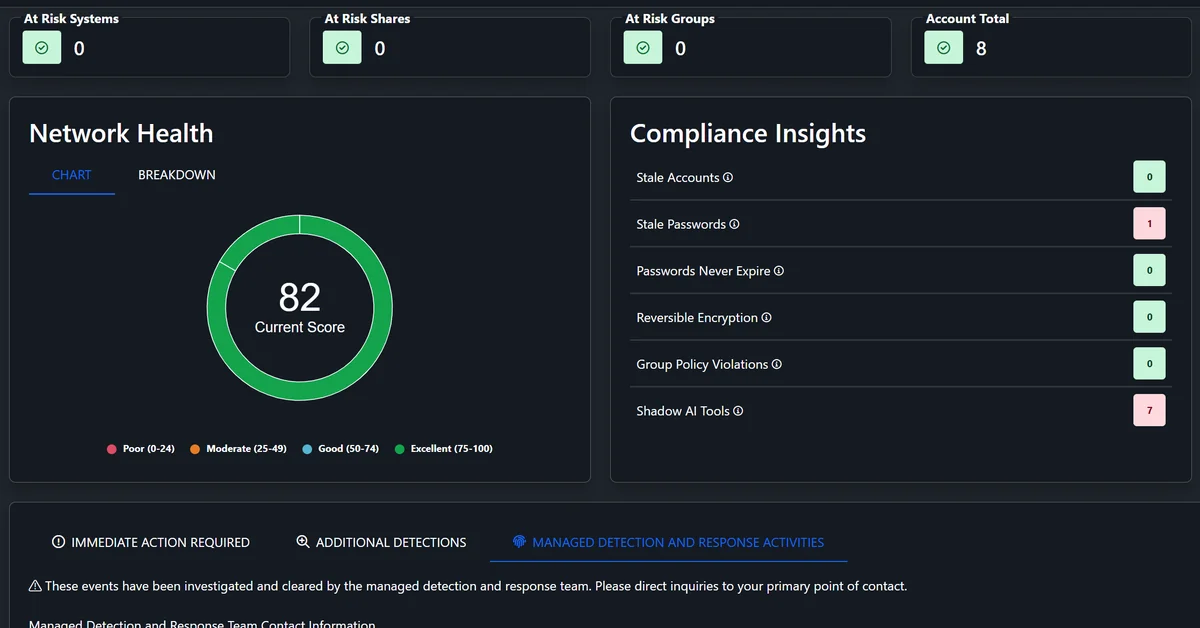
The server rebooted, and the endpoint protection never came back.
Credential spraying against an internet-facing SonicWall SSL VPN found an account without MFA in about seven minutes. Two hours later the operator was on the domain controller. Files were archived with WinRAR and pushed to attacker-controlled cloud storage — all before any encryption began.
Then the operator added AnyDesk to the Windows Safe Boot registry key, forced a reboot into Safe Mode with Networking, and ran the ransomware there. Safe Mode loads only essential services, and third-party security products are excluded by design.
The EDR was installed, licensed, and correctly configured. It produced no telemetry because Windows never loaded it.
No SonicWall vulnerability was involved and no CVE was exploited. An account with a password and nothing else was enough. A server booting into Safe Mode without a change ticket is one of the cleanest alarms you can set.
The “no reply” address in your software may belong to a stranger.
A researcher owns noreply.net and noreply.us — addresses that look like throwaway placeholders but are real, registrable domains anyone can buy. One has taken in 401,796 messages since December 2024, roughly 700 a day, from more than 14,000 sending addresses across some 6,200 root domains. 28,365 of them carried attachments.
What arrives is ordinary business mail: account-setup messages, injury reports from a city government, meeting invitations from a government agency, credentials from test systems. A second researcher registered deleteduser.com for about fifteen dollars; three organizations emailed it within the first hour.
Nothing in email verifies that the domain in a From field belongs to the sender. Delivery succeeds, and no alert fires on either end.
For a practice, the exposure list is short and specific: practice management, your EHR, appointment reminders, the client portal, e-signature and intake tools. If any sends from a domain you don't own, every activation link and temporary password it has mailed went somewhere you can't see.

Evidence, not assurances.
We implement the controls regulated firms need — managed firewalls, immutable backups, 24/7 monitoring, security awareness training — then maintain the quarterly evidence packages that examiners, insurers, and clients actually ask for.

captechgroup.com · (937) 319-1211 · Threat Intelligence Center